Intermission:

A Brief History of Gold, from The Cat’s Mouth
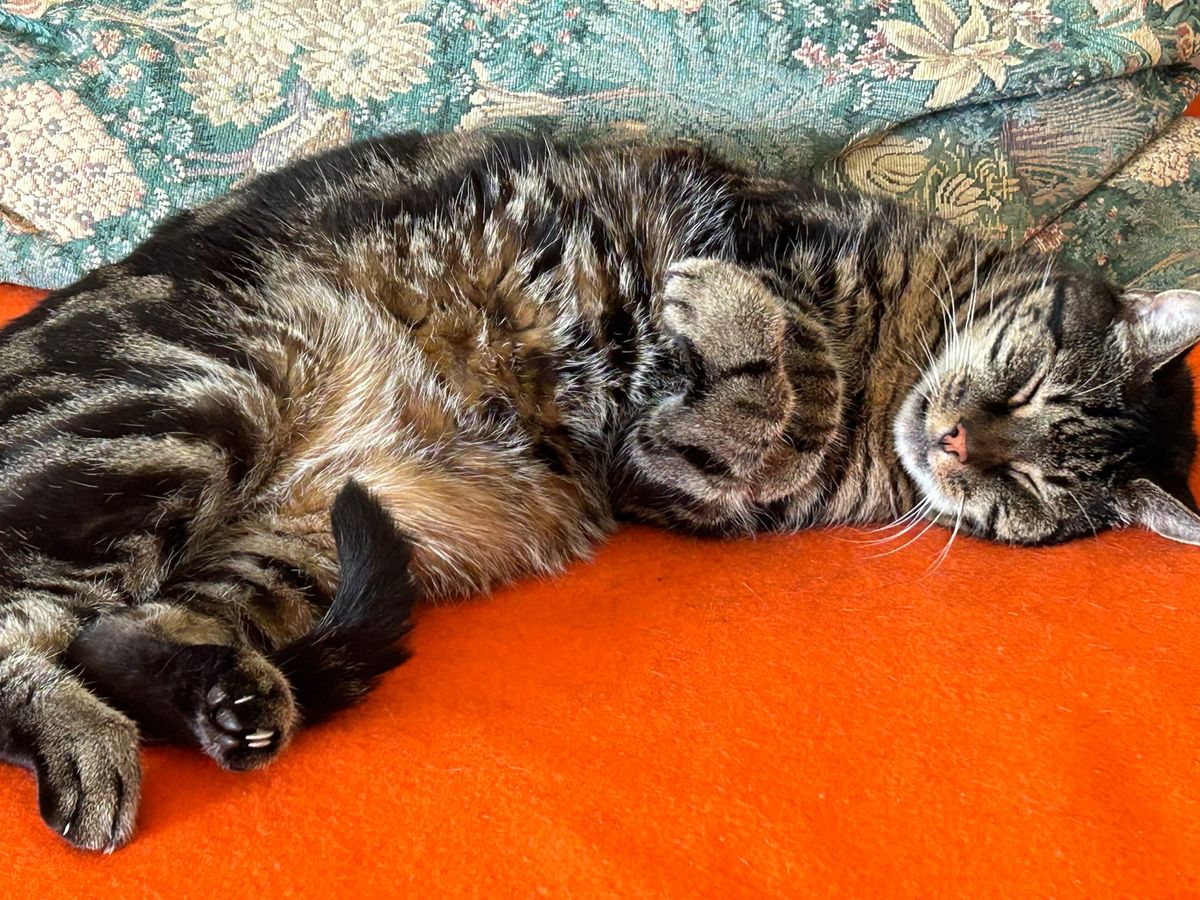
Humanpeople think cats don’t get up to much when they’re asleep. Very solipsistic animals, humans. My Person, for example, is entirely obsessed with her own narrow concerns. She hasn’t even thought to ask me what I’ve been up to lately. Well, let me tell you:
Recently, I introduced a new line to my online shop to complement my felted products made from my own personal sheddings. It’s nail-shells. When I slough off an outer claw, as I do regularly, I add it to my collection until I have enough to make a dainty little cat-claw bracelet or set of earrings for what I call my Felinity range. I keep these art objects in my secret hiding place because plagiarists and other thieves are everywhere. Then I take some time to curl up with a good website.
But today I spent a fair of time eavesdropping on Person and Samson discussing gold. I then went online to read about gold. I find that gold is very glorious and also frightening. Here are some things I learned:
Gold is life and death to humanpeople.
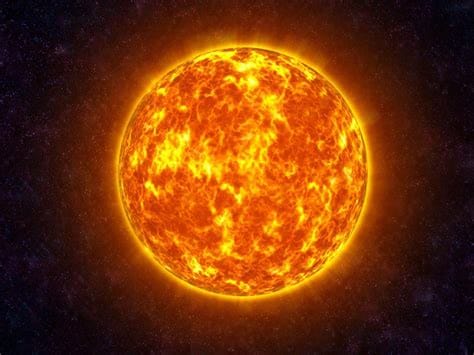
Gold is the colour of the sun that nourishes the earth enabling the sprouts and seeds and juicy weeds to prosper.
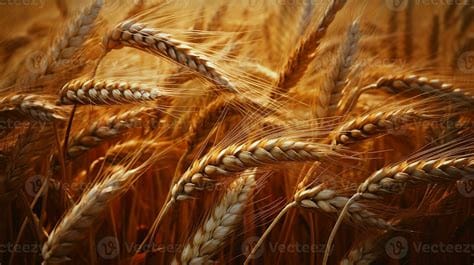
Gold is the colour of wheat. Wheat is ground into flour and flour is made into bread: bread sustains humans, so, for them, gold is life. (Did you enjoy the circularity of this series of little paragraphs? I did.)
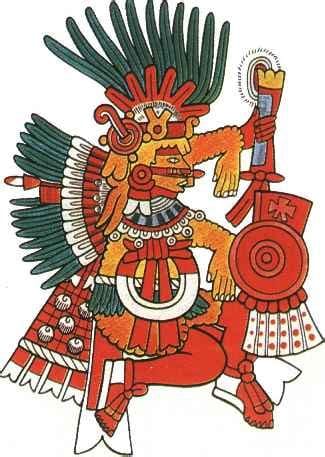
Xipe Totec, the flayed god of the Aztecs, was the deity of the goldsmiths who rendered that precious metal into tools and ornaments and weapons. The smiths beat out blades for making and unmaking, for cutting copper and tin, tumbaga and of course, gold, and always and ever, flesh and bone. Xipe Totec was also the god of war.
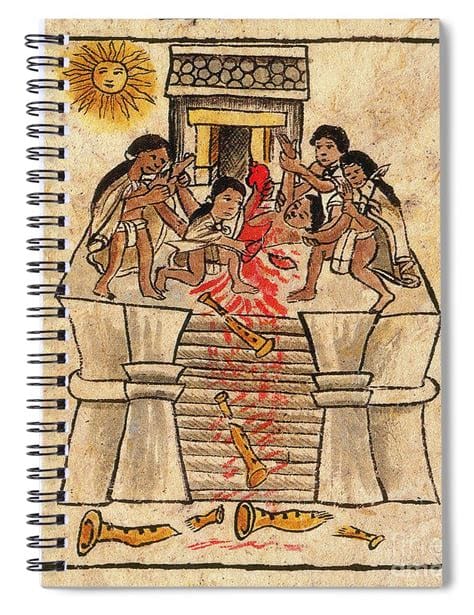
And did the Mesoamericans not sacrifice their children for gold? Look it up: how to propitiate a god. It is an honour for you and for your children to die for the good of all, for victory over the enemies, or for the good of the harvest. The golden harvest that sustains the people and makes them strong so that they may defeat their enemies with their golden weapons.
Now in my mind’s eye I see the children standing in a queue, drugged with alcohol and coca leaves, marvelling at the dappled sunlight on their so very perishable skins, skins of light, so light, so temporary.
Yes, standing in the sun, waiting their turn for the crushing axe against the breastbone.
Children have been offered up to idols forever. The god of Abraham, ancient hero of Christians and Jews, demanded the life of Abraham’s child. The father held a blade to the throat of his son. (His son! And then the god says, ‘Oh, I didn’t mean it really. Just testing.’ What? You were kidding, then? Oh, good one, God.)
Children, beware! There are more idols than ever these days. Carved idols staring out of sightless stone eyes or poncing across the screen of your iPhones and getting inside your heads; ‘noble’ idols speaking of sacrifice to a cause, whether to a land of the free and the brave, or to a state where only those of a particular religion can be free, or of a perfect caliphate on earth full of ripening virgins for the faithful men. Or if not, to a flag or a notional utopia steeped in blood, then to an impossible persona, the most divinely, inhumanly beautiful and most adored, with a million friends who would follow you faithfully, inhaling your every word like oxygen.
The idol is the same as it ever was, though its forms change. Brutal, handsome old gold was superseded by glamourless cash, and in turn, cash wilted in the face of increasingly abstract forms of wealthpower: stocks and shares, cryptocurrency, what have you or have you not. All that glisters is not gold. And yet, gold speaks through all the newer forms and formlessnesses. Gold’s voice still rings in our ears.
Kill for me, die for me. Love me.
Tradition still holds sway. And so, all over the world the daughters are sold for gold. There’s money in girls and boys, enslaved or ‘free’. Gold’s clarion call: Sell your girls packaged up with bands of gold and send your sons to die for me.
I am gold.
Oh, people, people, what are you doing with your big brains and your tiny minds?
It is good to be a cat.